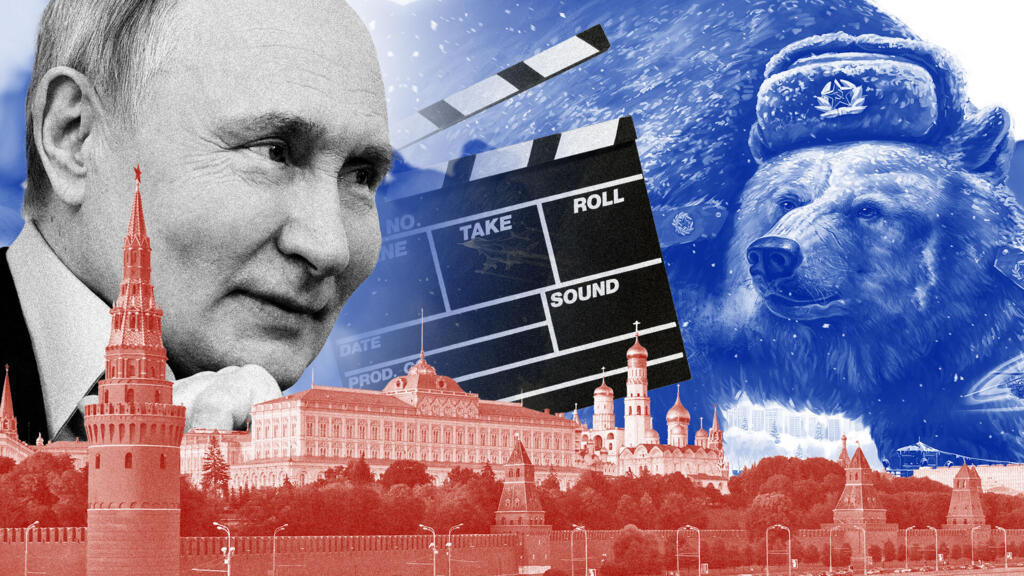
"Pop Propaganda" treats today’s Kremlin messaging not as agitprop or “information war,” but as mass culture—built around influencers, streaming platforms (including the Kremlin’s own “Netflix”), branded narratives, and entertainment-first politics. The talk draws a line from the 1990s Moscow art scene to today’s public-private propaganda ecosystem, showing how pop aesthetics, commercialization, and political messaging collapsed into a single system. I use visual case studies throughout.
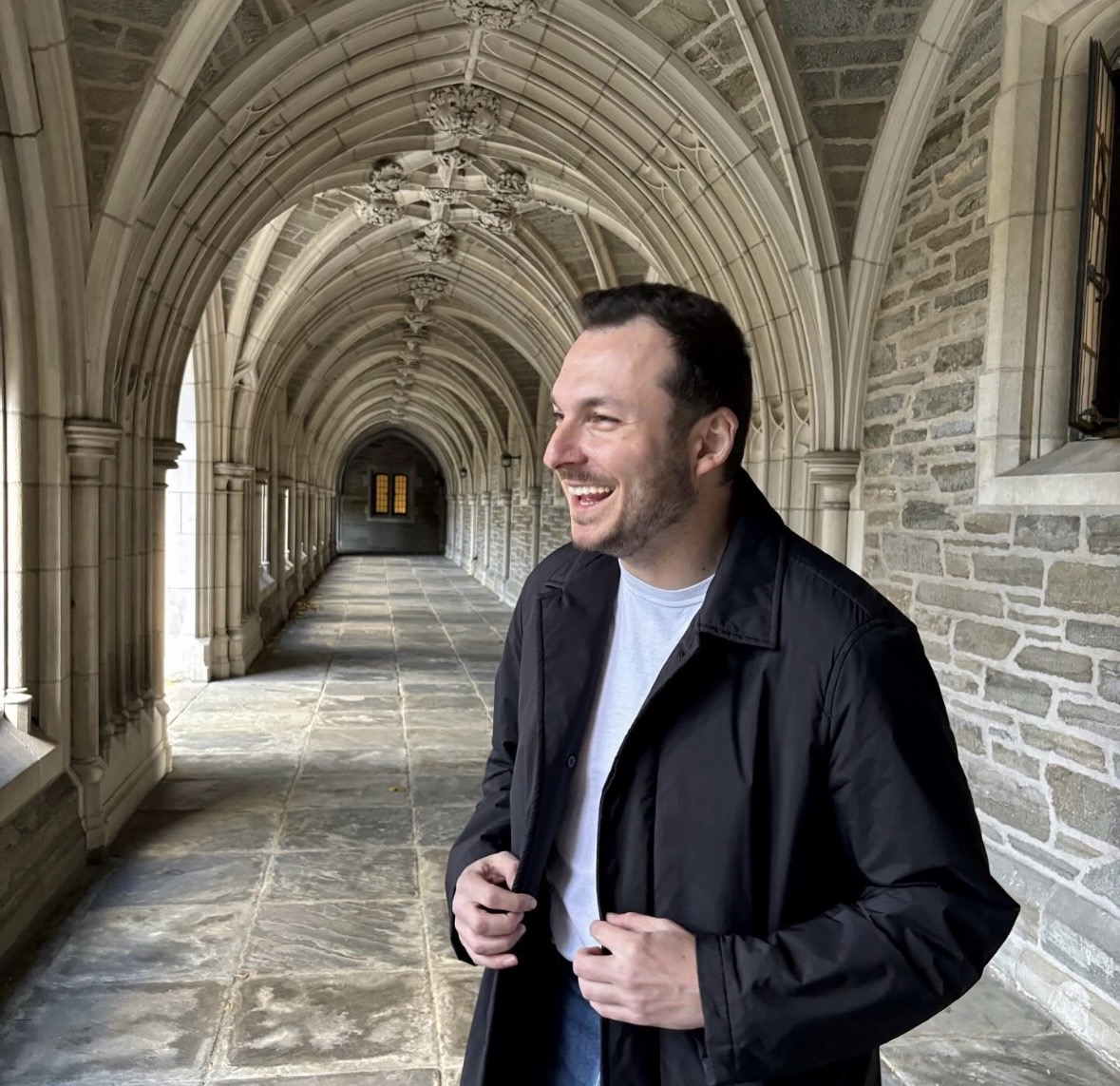
Andrew Ryvkin was born in the USSR, grew up in Boston, and spent nearly two decades in Moscow working inside Russian media and the Kremlin’s propaganda machine before returning to the U.S. Now based in New York, Ryvkin writes and advises institutions on Russian politics, propaganda, and U.S.-Russia relations. His work has appeared in The Atlantic, Rolling Stone, Air Mail, and New Lines.
Sponsored by: Havighurst Center for East European, Russian, Diana Stark Lecture Series (Journalism) and Eurasian Studies