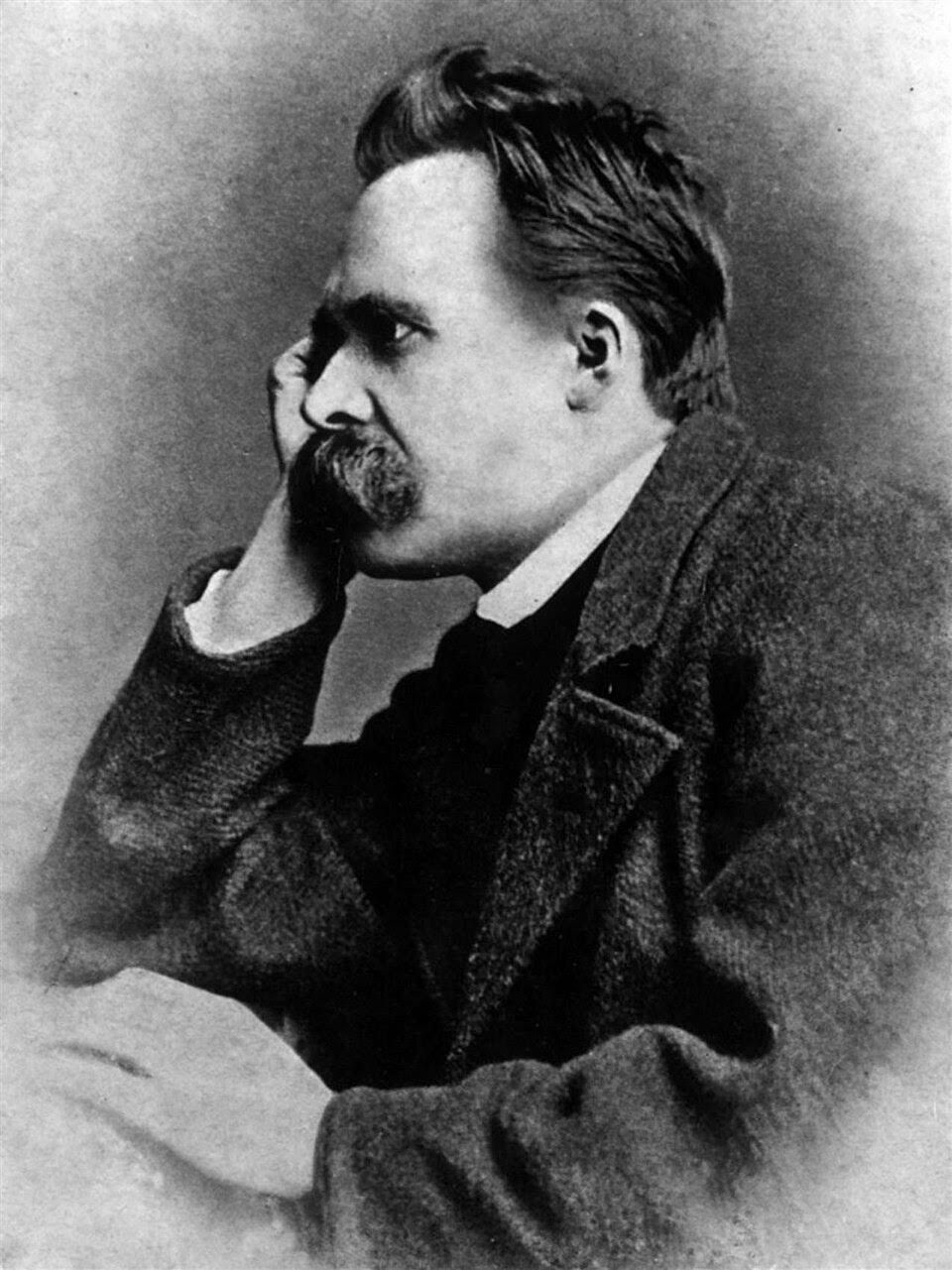
It is a striking fact of contemporary political and social life, in the US and elsewhere, that people seemed primed for anger; they appear to be riled up all the time, seeking out opportunities to be angry at other people, and clinging to their anger even when it seems to be unsupported by evidence or the facts. To make sense of this phenomenon, I believe, we need to answer two questions: What is the psychic need that is satisfied by our propensity to anger? And how exactly does anger speak to that psychic need? In this talk, I shall offer some speculative answers to these questions, drawing on the account of the slave revolt in morality that Nietzsche describes in the Genealogy of Morals. I shall argue that we are prone to negative group identity formation under contemporary conditions, developing an orientation of hostility to the Other that is connected to our sense of who we are, but that otherwise doesn't really make sense. Under these conditions, we are prone to accept narratives of grievance that convert hostility into focused anger, and that thereby give our negative orientation evaluative coherence.